

Finding your version of a minimalist lifestyle
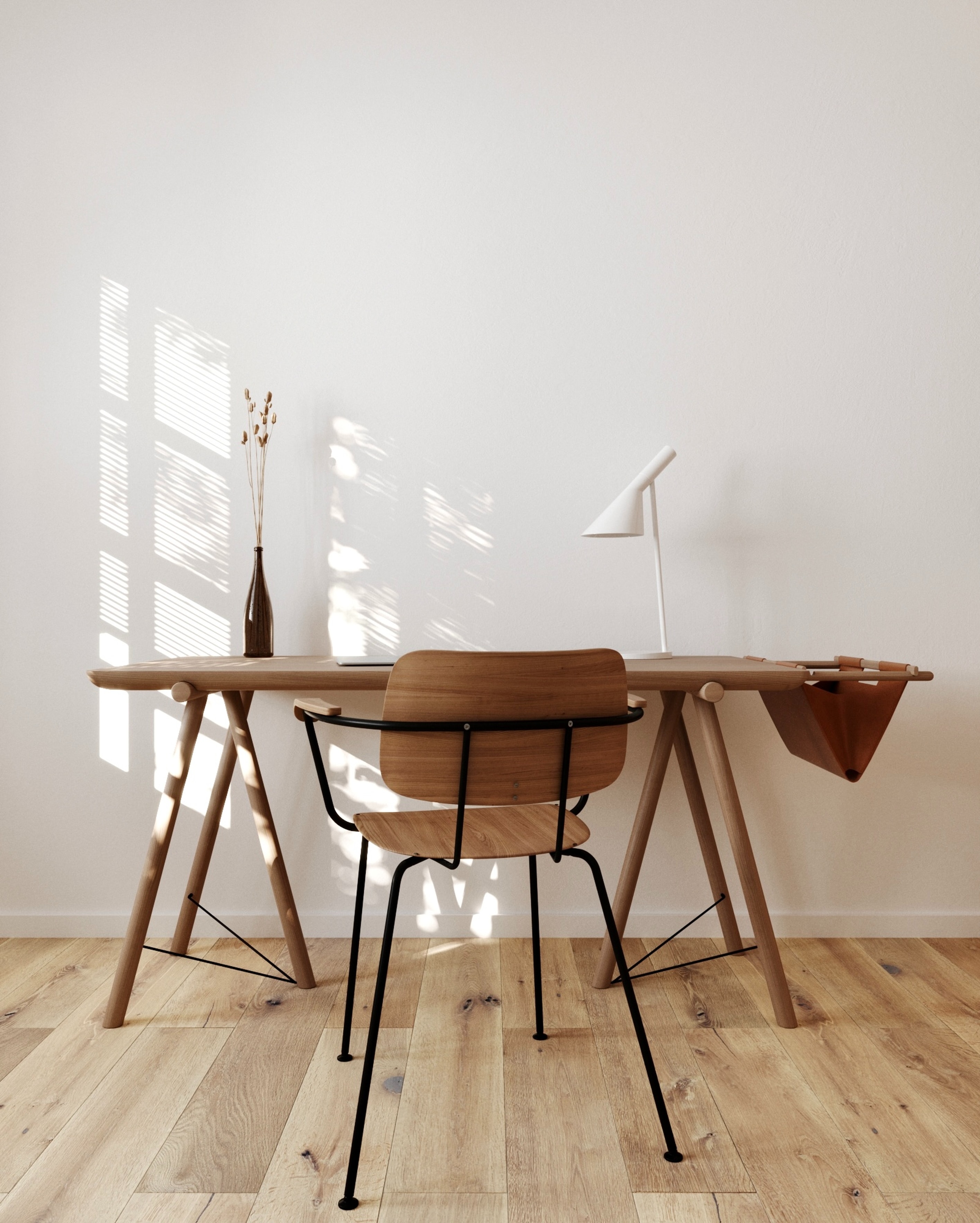
I described what it means to be a “Boomer,” but what exactly is a Minimalist? Minimalism is about having a clear understanding of what you value most in your life and removing anything that distracts you from it. This can mean identifying things that take up your valuable time and space, then intentionally removing these things in your life that get in the way of what you value most.
Basically, minimalism is being intentional with the way you live your life. Allowing what aligns with your most important values will help you live a more joyful life.
Using this definition, minimalism looks different for everyone. If you ask fifty different people to describe what is minimalism using this definition, you will end up with fifty different descriptions.
Since our values are personal and unique to each of us, this allows you to create whatever works best for you. The only key is that you decide what is most important to you, and then remove anything that doesn’t line up with and support your values.

A Few Common Misconceptions – What Minimalism Is Not
There are a lot of common misconceptions about minimalism. Ideas that make minimalism seem hard to relate to, undesirable or out of reach for the average person. By addressing some common misconceptions, I hope to show you that minimalism is attainable for and can benefit anyone.
ONE: Minimalism is about getting rid of everything you own
A big part of minimalism is about removing things from your life. But the focus of minimalism shouldn’t be on what you are getting rid of. Rather, the focus should be on the benefits of letting go of the things that don’t bring value to your life. Instead of focusing on what you’re getting rid of, focus on what minimalism gives you more of. More time, more space, more joy, more freedom. Minimalism is not about deprivation. It is about intentionally choosing to live with less in order to free up the time and space to do more of what you enjoy.
TWO: Minimalism is so rigid it makes life harder
A common misconception is that minimalism makes life harder because you live with so little. That being a minimalist means getting rid of everything but the essentials, including things that make life more convenient.
Life as a minimalist is simpler in many ways. You spend less time cleaning, looking for things, and maintaining and organizing your stuff. After adopting a minimalist mindset, many people see those things they thought made life easier, are actually robbing them of their time and energy.
Minimalism is not about getting rid of something if you use it often and it makes your life easier. It’s about getting rid of the things that aren’t used or needed and are just cluttering your home.
THREE: Minimalism only applies to your stuff
Getting rid of the excess stuff in your life is a big part of the process in the beginning. But “stuff” is only one part of minimalism. In fact, a big part of embracing a minimalist lifestyle is changing how you think about the “stuff” in your life. It’s more about learning to challenge and change your relationship with what you own and why you own it. Once you have started living with this idea, you will see that a minimalist lifestyle goes far beyond just decluttering your house. It can be applied to how you spend your time, what you eat, how you exercise, how you budget your money, and many other aspects of your life.

FOUR: You can’t have collections or hobbies if you are a minimalist
Another common misconception is that minimalism means you can’t keep the things you love. Or you can’t have a collection that brings you joy or a hobby that requires equipment or supplies. Again, minimalism doesn’t mean you have to get rid of everything you own. It simply means being intentional about what you keep.
The key is moderation. Rather than having several collections, decide to keep one or two you really enjoy. That might mean narrowing your collection down to only the best pieces so you can enjoy each of those pieces and not lose them in an overgrown collection. For example, I love crosses. They bring me joy. I designated a small wall in my home to display them and it’s in an area in which I spend a lot of time.
If you have a hobby that requires equipment or supplies, designate a space to keep your supplies and be intentional about limiting what you keep to that space. Inventory what you have and keep only the supplies you will use, rather than stockpiling supplies that are never used. This saves you time, space and money.
FIVE: Minimalism is simply a tool, not the end goal
Minimalism isn’t about owning less for the sake of less. Instead, it is a tool that can help you create the life you want and give yourself the freedom to live that life. It’s a tool to help you live intentionally, so you can focus your time, space, energy and attention on what matters most to you.
At the end of the day, minimalism is just living simply. You’ll find that you have what you need and you will actually use what you have. My motto has always been, “If I haven’t touched it in a year, I sure don’t need it!”
Now that I’ve embraced minimalistic living, I have no trouble getting rid of items I don’t need and it feels great.

In my next piece, I want to discuss the peace of mind a minimalistic lifestyle brings not only to you, but to your adult children and other family members. If you’ve ever had to deal with the distribution of your parent’s or another loved one’s estate, you will definitely want to join in on this discussion.